B&B HV40 › The house
The story of Haven 40
A house full of stories
Shipbuilders, mayors, the woman behind Madurodam and almost a century of doctors. This is the story of the house you sleep in.
1868today
Read the story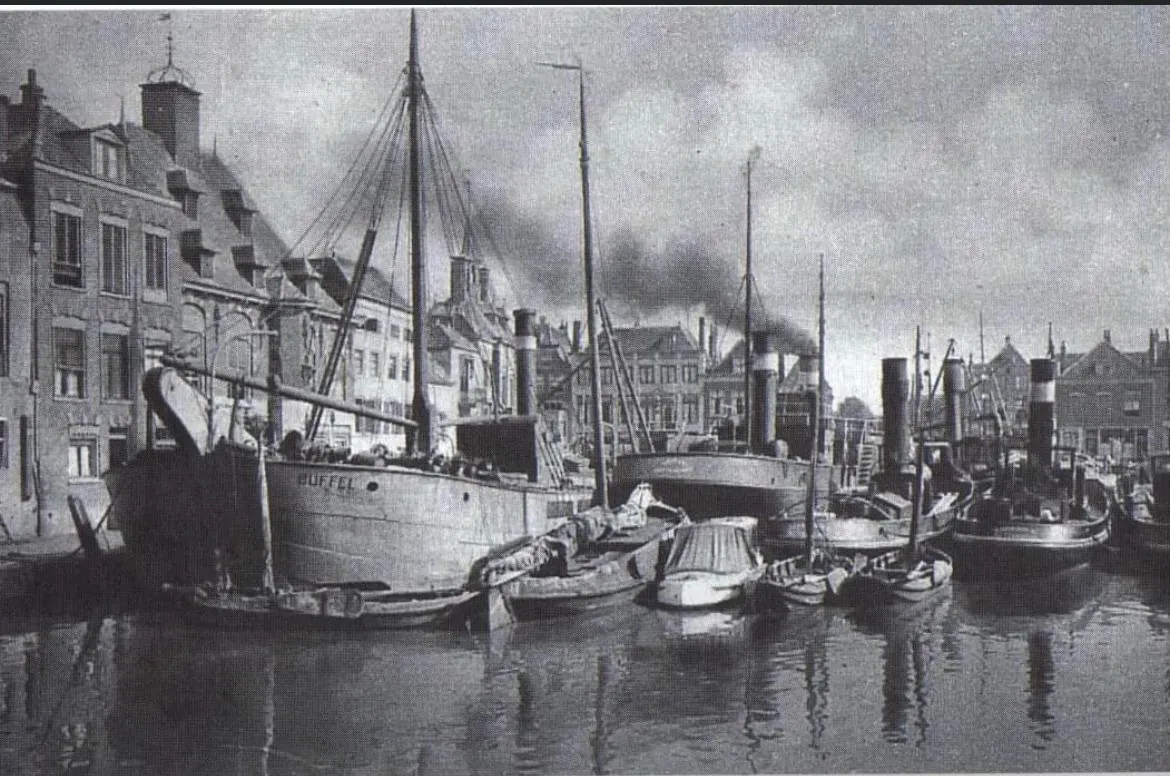
A house built by shipbuilders
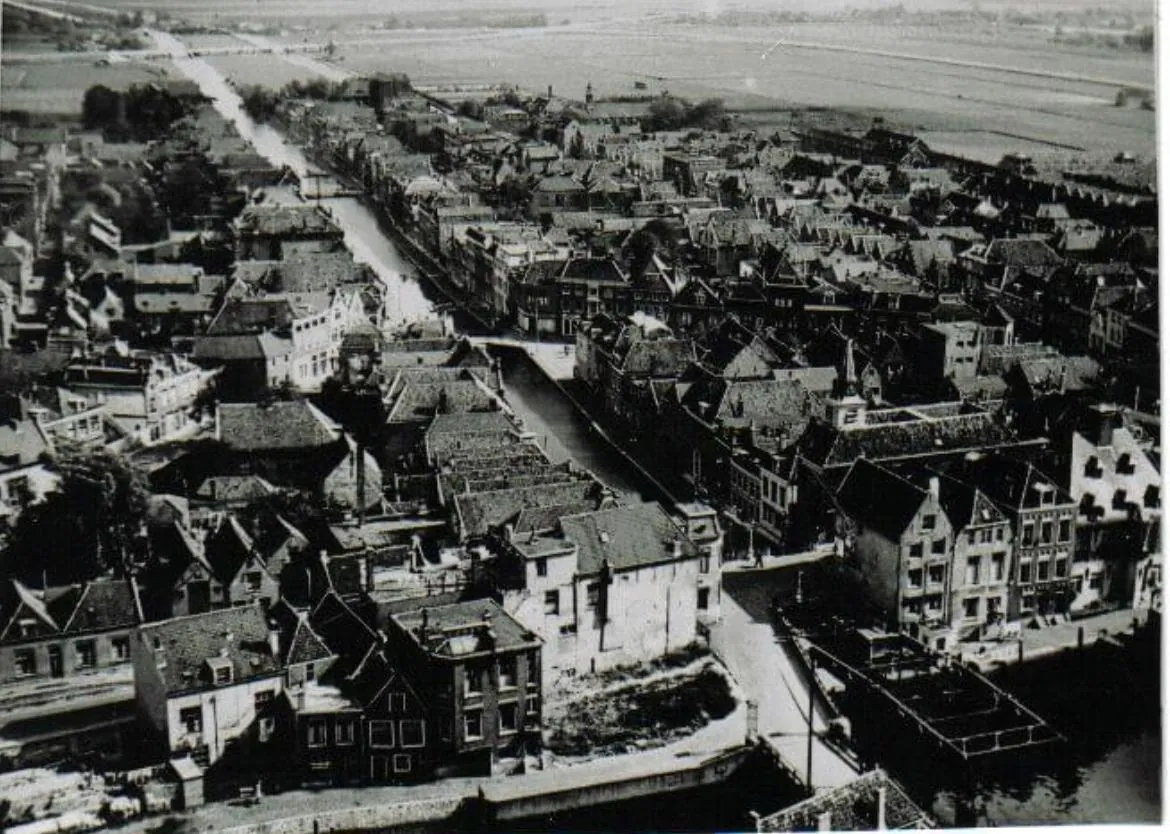
In 1868 a family of shipowners and shipbuilders builds a stately house on the harbour, then still numbered Haven B95. Nearby, the Nieuwe Waterweg is being dug.
Which family? Very probably that of master shipbuilder G.H. Uitdenboogaardt, who built sailing ships for the East Indies trade at his yard “Hollandsch Trouw”. In the 1890s, shipowner Uittenboogaard lives here.
The mayor’s address
Mayor R.Ph.A. van Rees moves in. As a naval officer he fought in Aceh; he also wrote novels and painted warships.
His successor Willem Lotsy lives here too. He dies in 1896, only 44 years old; the Lotsystraat is named after him.
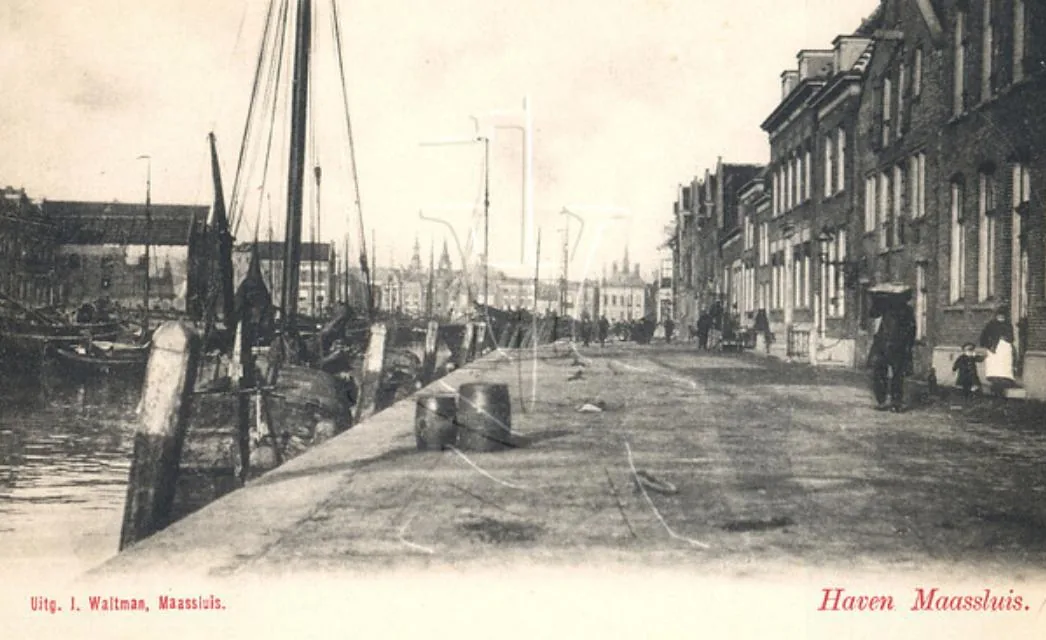
The Haven around 1900, postcard by J. Waltman.
The girl who dreamed up Madurodam
Physician Willem van der Starp moves in with his family. His daughter Bep is twelve.
More than fifty years later she sees a miniature railway in England and has an idea: a whole city in miniature. In 1952 Madurodam opens, and Bep Boon-van der Starp becomes known as “the mother of Madurodam”.
Doctor Thiebout and the loggers
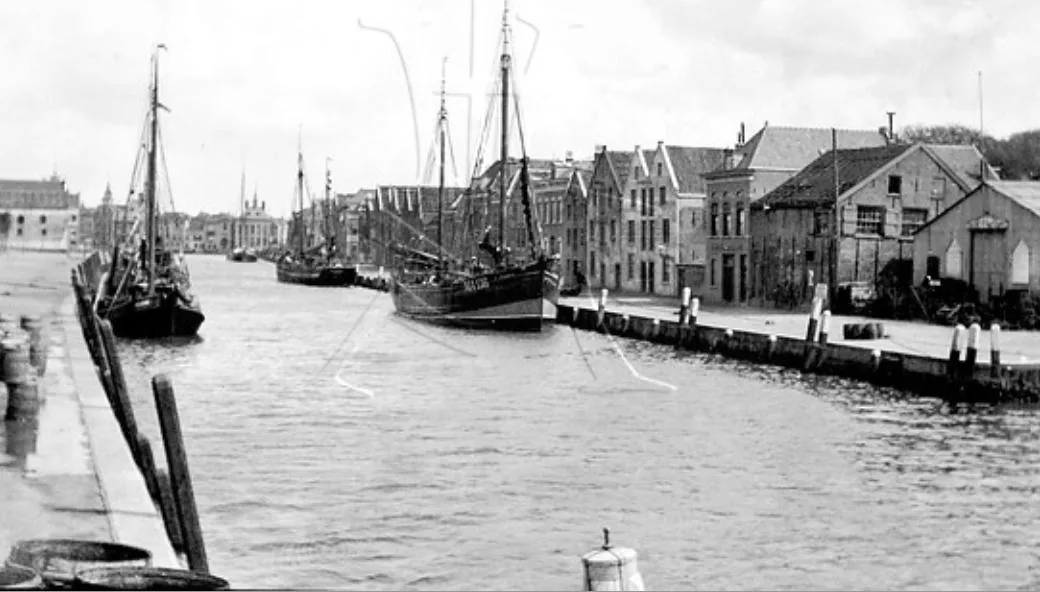
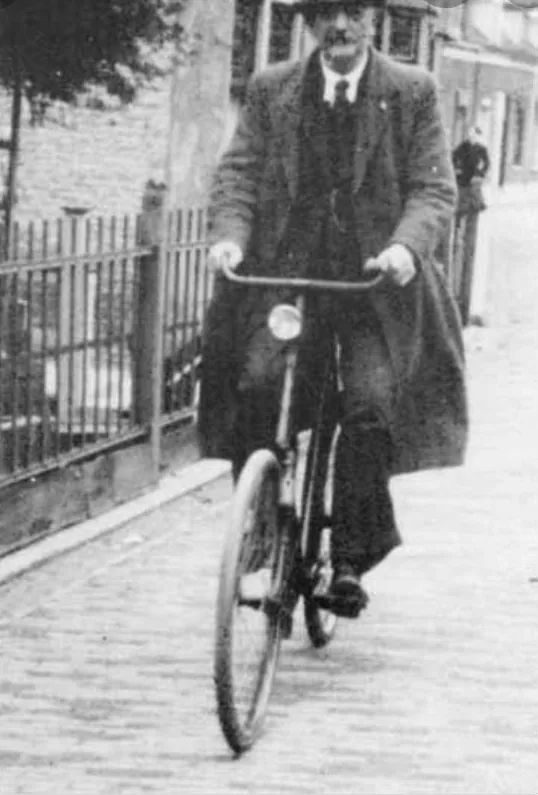
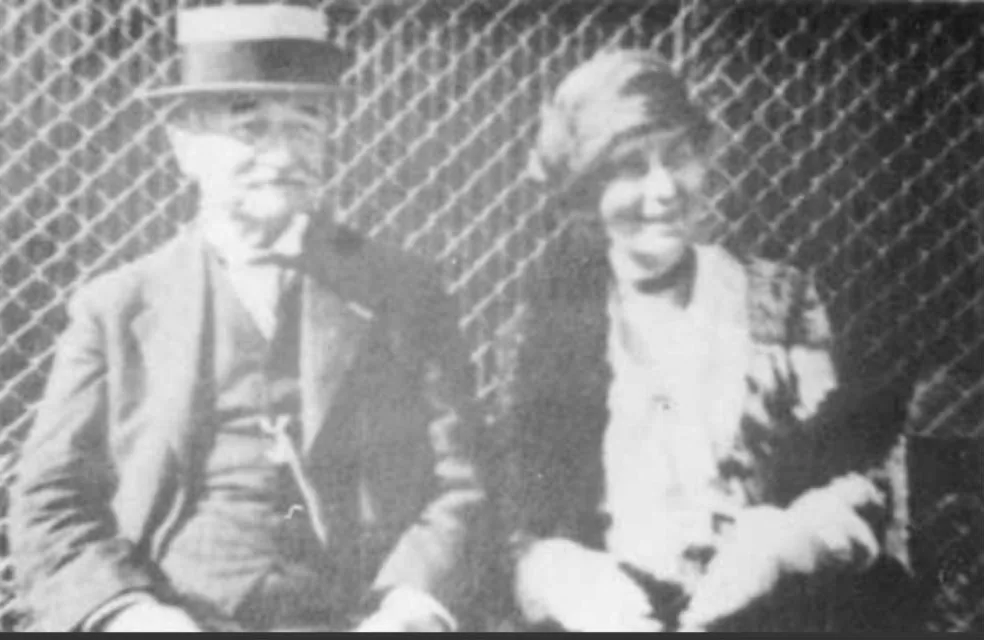
Willem Thiebout, from a leading family in Zwolle, opens his practice on the harbour. He stays for more than 35 years; many of his patients are skippers and fishermen.
From his consulting room he can see the loggers. Shipowners have him examine the fishermen before they go to sea for weeks.
Whoever pretended to be ill sailed anyway.
The yellow flag at the masthead
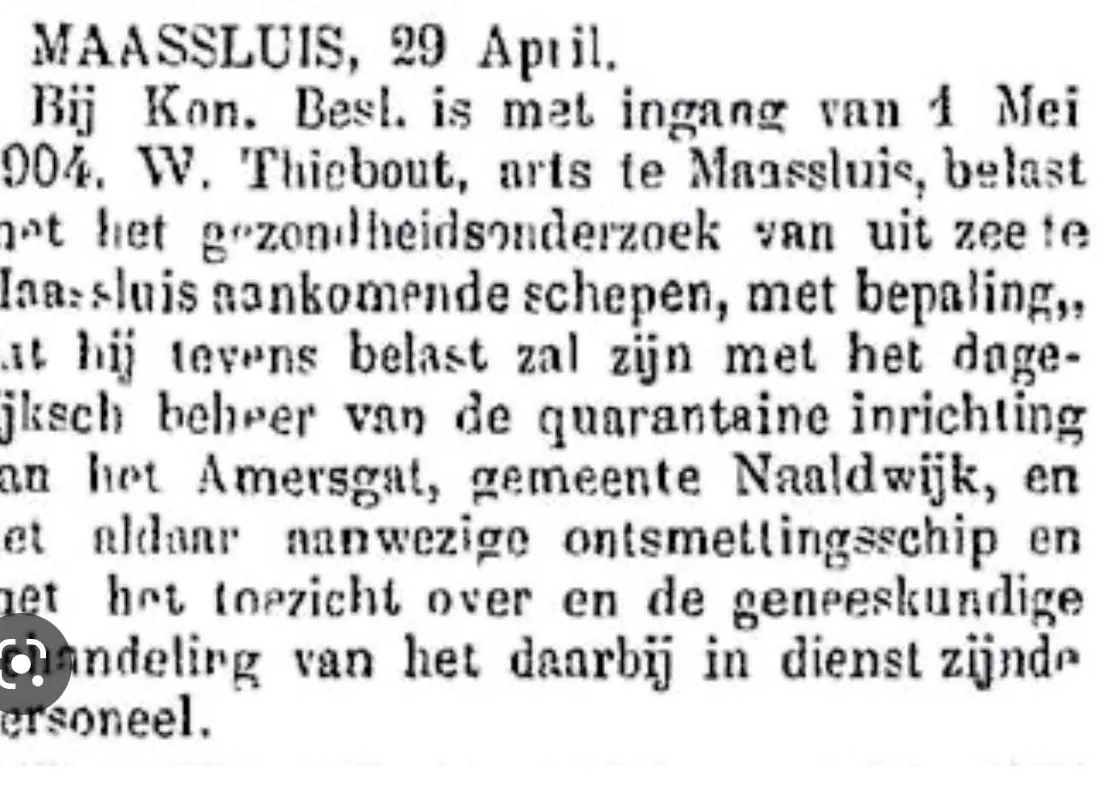
Thiebout also becomes quarantine doctor. Ships from distant ports come up the Waterweg flying the yellow Q flag, and he climbs aboard.
If an infectious disease is suspected, the ship must turn back to Poortershaven, where the sick are isolated. Only in 1925 does the quarantine service move to Rotterdam.
Sailing a toy boat down the hallway
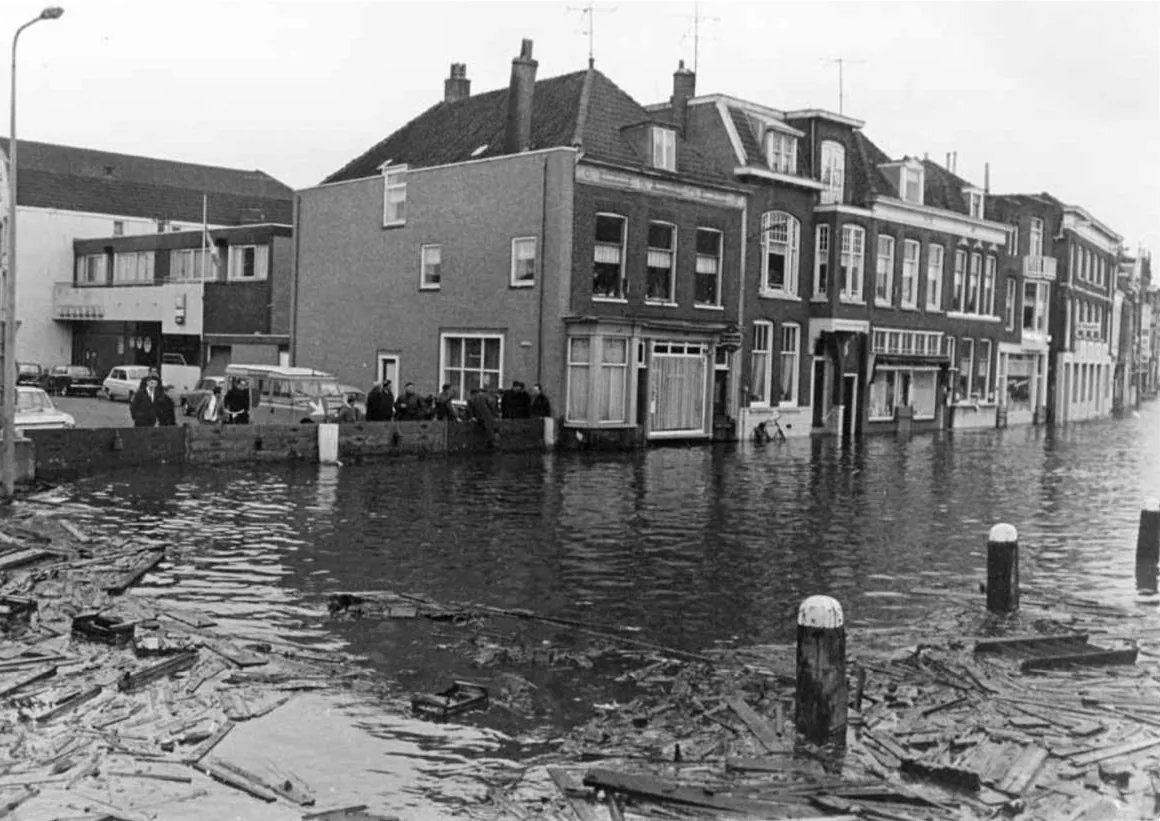
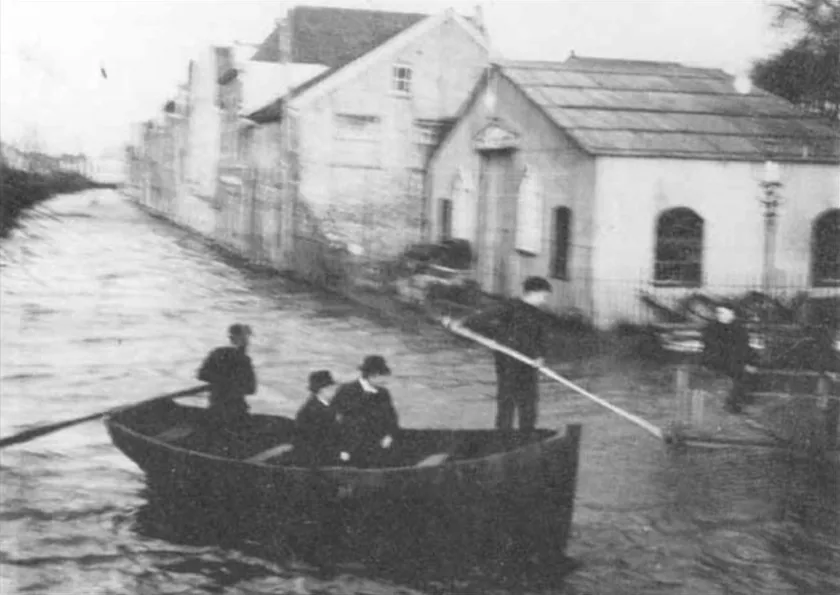
In heavy storms the wind blew the water under the front door and down the hallway. The piano went up on piles of newspapers, and the children sailed a toy boat down the hall.
The doctor could not get out dry. A rowing boat came to take him to his patients.
After memories in the Historische Schetsen.
Who came after Thiebout?
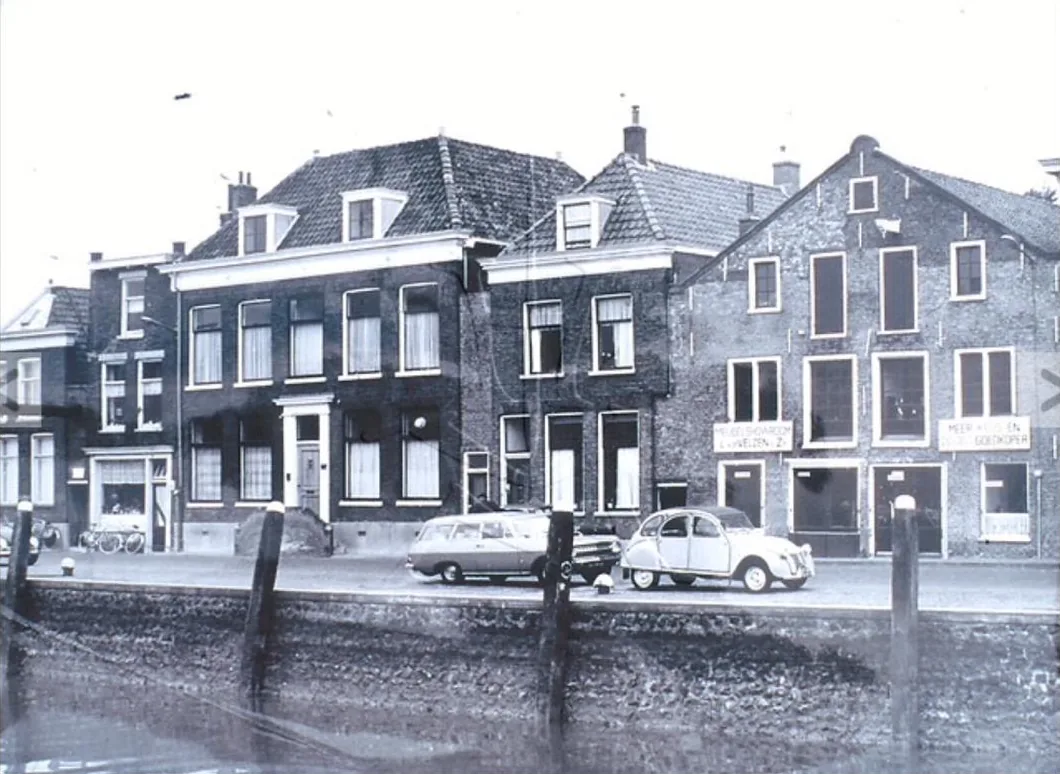
In 1937 the much-loved Dr Thiebout says farewell. The house remains a doctor’s practice, and until well into the 1970s generations of local people sit in this waiting room.
- Dr W.A.H. de Wilde1943–1952
- Dr B.D. Elsman1957–1968
- Dr Blaman1965
- Dr J. Smeijers1968–1975
- Dr L.C. Roekx1978
A queue into the Hoogstraat
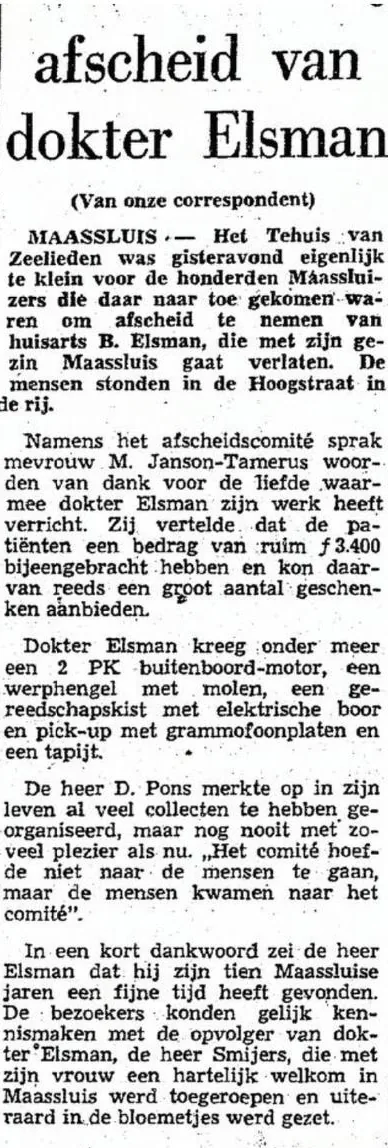
When Dr Elsman leaves, hundreds of local people come to say goodbye; the queue stretches into the Hoogstraat. His patients give him, among other things, an outboard motor and a fishing rod.
From consulting room to bedroom
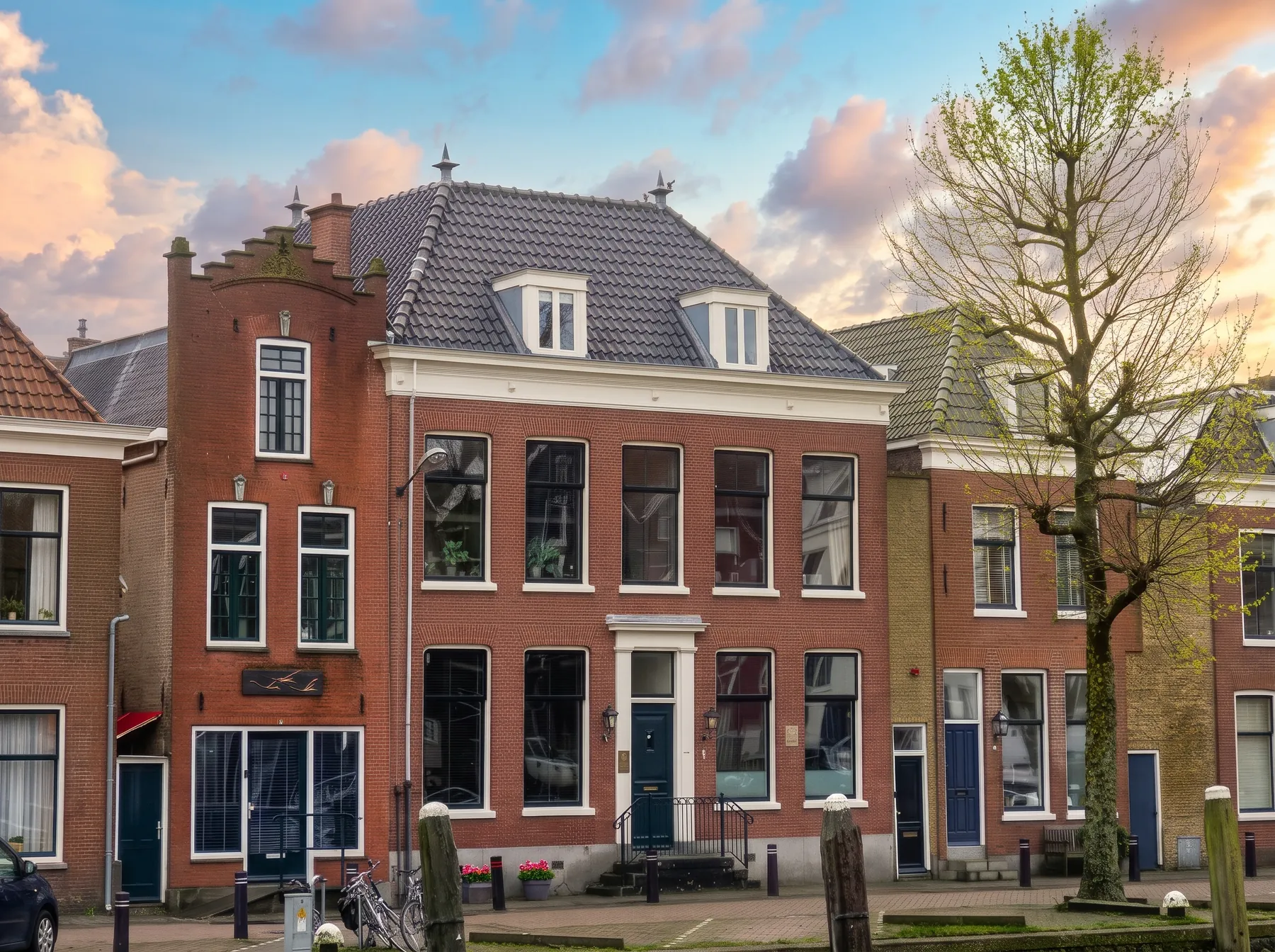
Haven 40 opens as a B&B. The rooms are called De Praktijk (The Practice) and De Wachtkamer (The Waiting Room), and the enamel “Praktijk” sign still hangs in the house.
Do you know more about Haven 40 or its residents, or do you have old photos of the house? We would love to hear from you.
Sources: Historische Vereniging Maassluis (image bank and Historische Schetsen), Maritime Historical Database, Digital Women’s Lexicon of the Netherlands, Yearbook of the Society of Dutch Literature (1926), Zwolle Historical Society, Nederlands Tijdschrift voor Geneeskunde, historic newspapers (including Trouw / De Rotterdammer, 1968) and the house’s list of residents. Historic photos: including the collection of the Historische Vereniging Maassluis.